
The biggest decision to be made in having a home theater system is the choice between having a TV or a projector. Both can provide high-quality images, but there are many aspects of usage, location, and experience to be considered.
This guide provides a description of the case in plain language, helping you make a choice without getting bogged down in the specifics.
Keep Your Home Theater Experience in Mind
Before comparing products, ask yourself what experience you aim to create in the room. A few basic questions can help you do that fast:
- Would you like the screen to have good readability during the day, or for night-time viewing?
- Is this space a theater room or a living space that does a little of everything?
- What are you after: simple and robust, or cinematic and engaging?
If you need a family room where you watch TV, sports, and movies, a TV would likely be a better decision. If you need a room for movies, a projector really starts to shine.
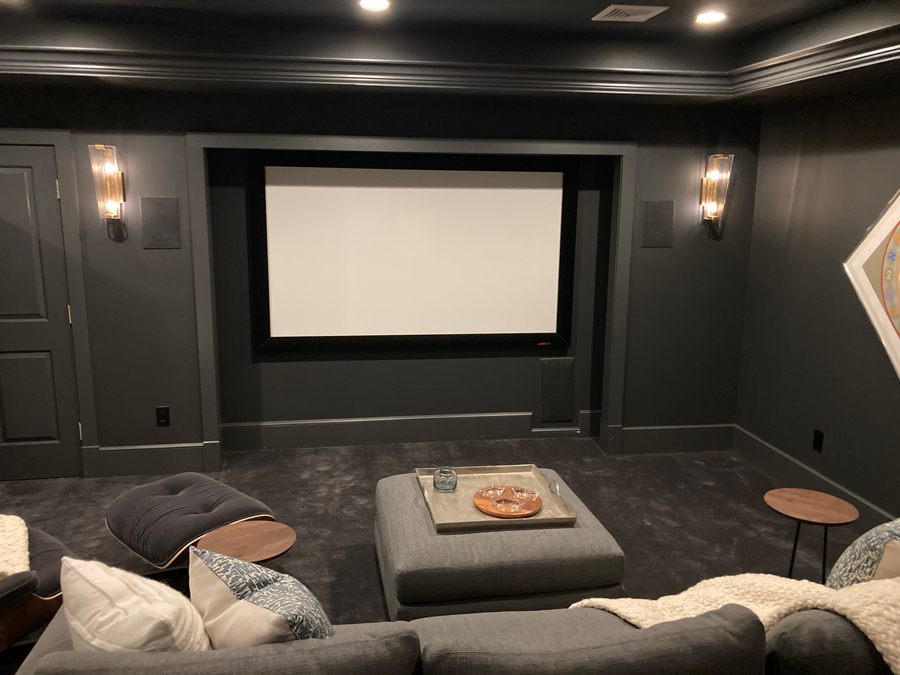
Choosing a TV vs a Projector for Your Home Theater
Home Theater TVs
Modern TVs have excellent brightness, contrast, and clarity, which is what makes them great, especially when you can choose a size that fits your needs. They remain the most flexible solution to live with in most homes.
A TV is usually best if:
- Your room’s windows or ambient light sources are not within your full control
- Do you watch a lot of sports, streaming, or TV shows?
- You want a simple solution that requires little maintenance
- Your seat is relatively close to the screen
TVs are very predictable. You turn them on, and they look great, no matter what time of day it is. That’s a very large part of why they’re so well-suited for a multipurpose room.
Home Theater Projectors
Projectors, for instance, are all about the level of immersion. You want a huge screen, a real theater, and a projector that gives you an experience like no other.
If A Projector Is Usually Best If
- You want a real theater feel with a screen of 100+ inches.
- The room can be darkened using shades or other types of lighting
- You are planning a specific theater or media room, e.g., a basement
- Immersion is more critical than day brightness
A well-designed room, a projector can have a somewhat dramatic effect. Without light control, even the best of projectors can fail.
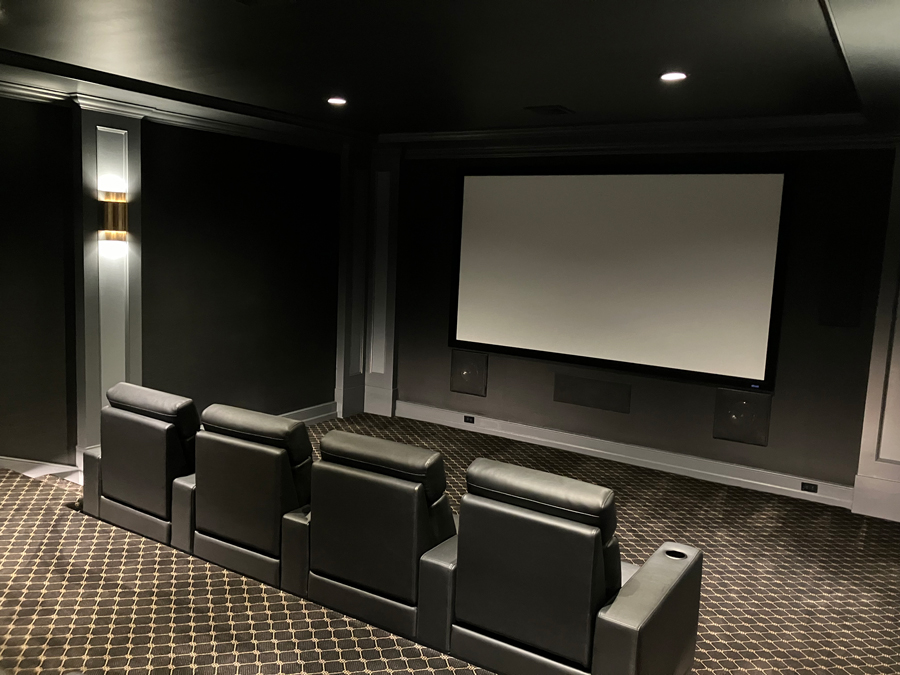
Screen Size & Viewing Distance
While screen sizes are often a matter of opinion, it’s more about comfort and immersion factors.
- Closer seating generally means a large TV
- Further seating usually suits a projector and a larger screen
- The right dimensions should make it immersive without requiring head movement
The proper size of your seating distance makes sure that you do not strain your eyes and makes the experience an enjoyable one.
| Screen Size (inches) | Min Viewing Distance (feet) | Max Viewing Distance (feet) |
| 22 | 2 | 4.5 |
| 28 | 3 | 6 |
| 32 | 3 | 7 |
| 43 | 4 | 9 |
| 50 | 5 | 10.5 |
| 55 | 5.5 | 11.5 |
| 60 | 6 | 12.5 |
| 65 | 6.5 | 13.5 |
| 75 | 7.5 | 16 |
| 82 | 8 | 17 |
| 85 | 8.5 | 18 |
| 100 | 10 | 21 |
| 120 | 12 | 25 |
Room Lighting and Ambient Light for TVs and Projectors
In some cases, the lighting can make one option more sensible.
TVs work well in bright rooms and mixed lighting situations. Projectors can look amazing, and they rely on lighting control. If you have lots of windows in your room, and you do not want to put up shades that will block out the light, a TV will probably do a much better job. Of course, if you can control the lighting in your room, then a projector is a much more feasible option.
Picture Quality for Home Theater TVs and Projectors
Resolution matters, but it’s only one piece of the puzzle. Contrast, brightness, color accuracy, and HDR performance all play major roles in how the image actually looks.
Contrast and Black Levels
Good contrast gives movies depth and realism. In darker scenes, in particular, strong black levels make the cinematic image in a dedicated theater feel cinematic.
Brightness and HDR Performance
Brightness is especially important when there is a need for daytime viewing. Yes, HDR can make highlights pop and add some realism, but it only really shines when the room setup supports it.
Color Accuracy and Calibration
Accurate color makes everything look more natural. Calibration often makes a much bigger difference than most people expect, especially in a theater environment.
Home Theater Audio Considerations for TVs vs Projectors
It is more important than we think, especially in audio.
Projector-based theaters also have the option of using speakers placed behind an acoustically transparent screen, which is akin to a real movie soundstage. TV-based solutions can still be great-sounding, but it is sometimes a challenge to arrange speakers in concert with the screen.
In either case, sound is half the experience. A good picture and poor sound never make for a good experience.
TV vs Projector Comparison for Home Theater
The simplest way to think about it:
- TVs are best used in well-lit areas
- Projectors work best with dark rooms and immersive viewing.
Quick Rule of Thumb
If you want something bright, flexible, and easy to use at any time of day, then a TV is a relatively safer bet. If you want the biggest screen possible and can control lighting, then a projector is a much more dramatic and rewarding way to go.
Final Checklist Before You Choose a TV or Projector
Before making a final decision, go over a few points.
- Is there a lot of light in the room during normal viewing hours?
- How far is your main seating from the screen?
- Multi-purpose room or dedicated theater?
- Planning surround sound in the setup?
- Do you want something turnkey, or are you comfortable with a more involved setup?
When the room, display, and audio are planned in tandem, the resulting installation seems intelligent in design as opposed to cobbled together.
Choosing a TV or Projector for Your Home Theater System
It really isn’t about which one is “better”, it’s about what fits your room. If you want something that looks great in daylight, turns on instantly, and works for everyday viewing, a TV is usually the right choice.
If, however, you are creating a space for movie nights or family nights, then a projector is the way to go. Then you want something that has a huge screen to give you the real feel of being in a theater.
Ready to Build Your Home Theater?
Home Media Designs is a valuable resource for those planning their own home theater systems, providing guidance on how to get it right from the start. With Home Media Designs, you can find the correct television or projector, as well as fine-tune your screen size and position, while also designing an audio system that fits your room.
Contact us today, and we’ll help you create a stunning home theater experience that not only looks great but also sounds even better.