
Design a Home Theater That Fits Your Space
Designing a home theater in Connecticut is rarely a one-size-fits-all project. Homes across the state range from older Colonials to waterfront properties to newer builds, so the best home theater designs are the ones that fit naturally into the space you already have.
A great home theater setup is about more than just equipment. It comes down to how the screen, sound, lighting, seating, and layout all come together to create a room that feels immersive, comfortable, and easy to use.
21 Home Theater Design Ideas
The creation of an excellent home theater entails much more than installing a large TV and high-quality sound equipment. It all comes down to making sure that everything works in perfect harmony, from the layout and lighting to the acoustics and seating.
1. Utilize a Basement for a Real Theater Experience
Basements are often the easiest place to create a more immersive home theater. They usually get less natural light, which makes it easier to control the picture and create a more cinematic feel.
Basement theaters also offer a better means of sound insulation, particularly if they are isolated from other rooms in the house. Most houses in CT can easily turn a finished basement into a private theater space.
2. Ensure That the Screen Size Matches the Sitting Distance
Larger does not mean better all the time. A screen that’s too large considering the seating distance may prove to be more uncomfortable than entertaining, particularly during a long movie or gaming session.
Choosing an appropriate screen size involves consideration of your actual seating distance from the screen and the overall shape of the viewing space. A properly sized display makes the room feel more intentional and comfortable.
3. Pick a TV or Projector as Early as Possible
The choice will impact many other aspects of the room design since screen size, room lighting, audio positioning, furniture selection, and even wall treatment options might vary, depending on what kind of display option you select.
As far as TVs go, they typically perform better in brightly lit rooms and informal environments; projectors can be used to create theatrical atmospheres in darkened settings.
4. Manage Lighting from the Beginning
Excessive natural lighting will diminish the performance of even the best screens, making it crucial that proper light management be incorporated into your AV design right away rather than being an afterthought.
Lighting management through blackout shades and multiple layers of window treatments, together with strategically placed lighting fixtures, often becomes a critical aspect of home theaters in CT with large windows.
5. Keep the Layout Centered
A centered layout usually creates the best viewing experience. When seating is pushed too far to one side or the screen is placed off-center, the room can feel less comfortable and the picture can lose some of its impact.
This becomes even more important in multipurpose rooms where furniture is doing double duty. A good theater layout should feel natural to sit in, not like everyone has to work around the room.
6. Add Surround Sound Where It Makes Sense
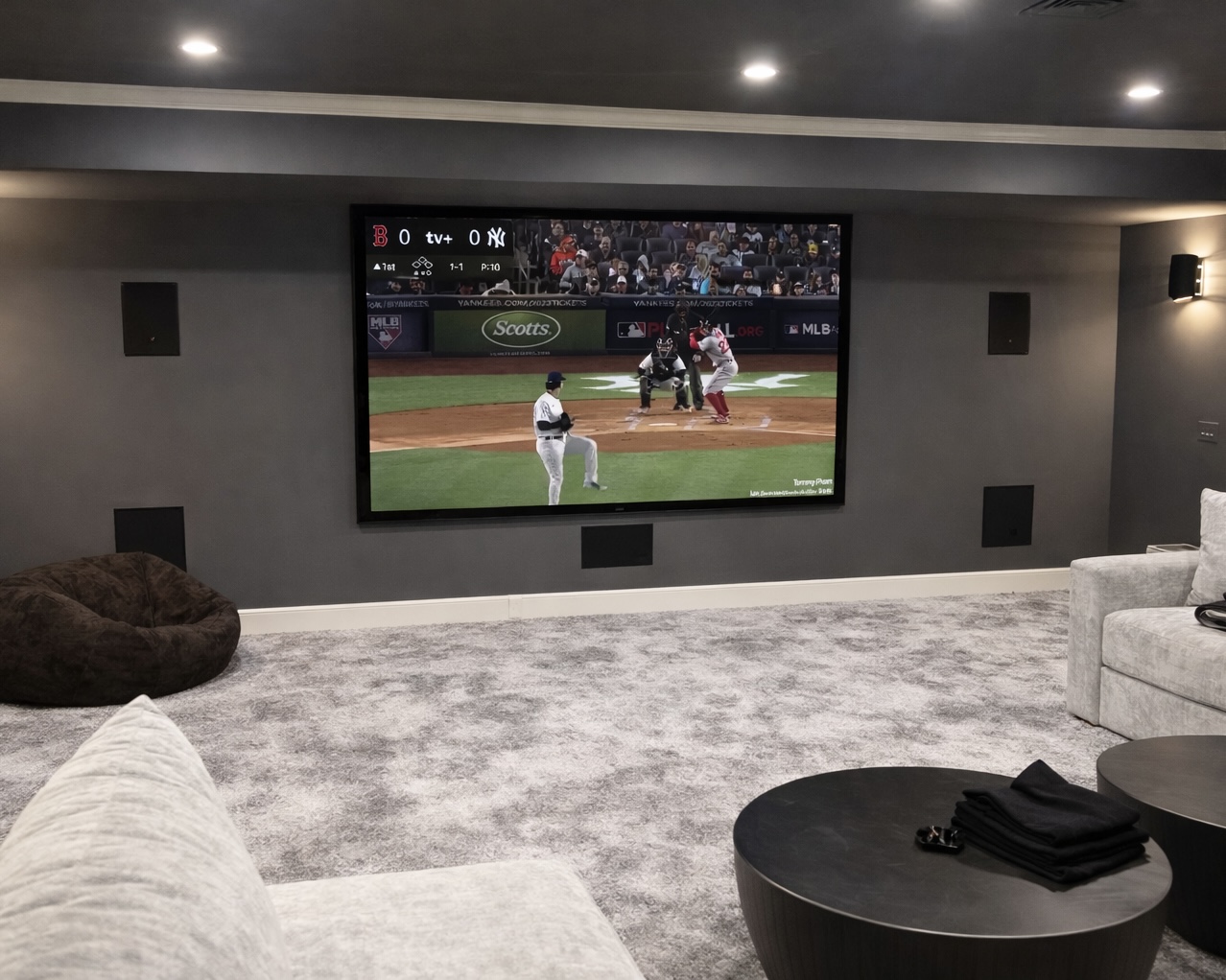
Surround sound can dramatically improve the experience, but it should match the room. In some spaces, a simpler speaker layout is more effective than trying to force a large surround system into a room that cannot support it well.
Even a modest surround sound setup can make movies, sports, and streaming feel more immersive. The key is not just adding more speakers, but placing and tuning them correctly for the room.
7. Consider Using In-Wall or In-Ceiling Speakers
For good sound that doesn’t require a lot of clutter around the room, in-wall or in-ceiling speakers are an excellent choice. The result will be a cleaner looking room and better sounding one than what comes out of a regular TV speaker set.
This is particularly useful for rooms like living rooms, basement entertainment areas, and anywhere else where design plays just as important a role as performance. Built-in speakers have been successfully used in CT homes to create the effect of being part of the architecture, rather than an addition to it.
8. Consider Acoustic Effects at Design Stage
A room with hardwood floors, plastered walls, and lots of windows can look fantastic, but if acoustics are not considered, it can result in a bad sounding room, with echoes, unclear dialogue, and imbalanced music.
It doesn’t take the entire room to be fully acoustically treated to make a difference. Things such as rugs, cushions, seating arrangements, and proper speaker positioning will all play their roles here.
9. Layer Your Lighting
Lighting should support the room, not fight it. A single bright overhead fixture is rarely enough if you want the space to feel flexible and comfortable for movies, sports, and everyday use.
Layered lighting gives you more control. Recessed lights, sconces, dimmers, and accent lighting can work together so the room feels usable before, during, and after the screen turns on.
10. Create Simple Control
One of the biggest differences between a frustrating setup and a good one is how easy it is to use. If everyone in the house needs a lesson just to watch something, the system is too complicated.
A good home theater should feel simple from day one. Whether it is controlled by one remote, an app, or a smart home system, everything should work together without making the user think too much.
11. Design Your Theater for More than Movie Watching
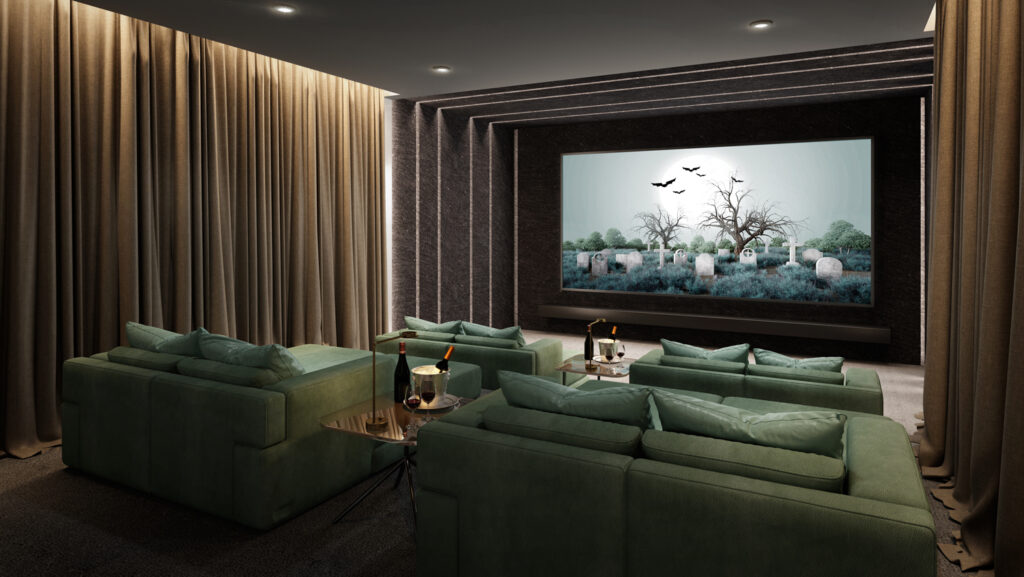
When people talk about home theaters, most homeowners mean rooms that serve as entertainment centers for a variety of other activities such as watching sports, playing games, listening to music, or simply viewing television shows.
This is why the design of the space should account for actual behavior rather than some imaginary use of it. When the arrangement of the components fits into people’s lifestyles better, the room will be used more often.
12. Keep Home Theater Components Hidden
The aesthetics of a room tend to be improved by making the components invisible to someone entering the space. Placing the equipment in cabinets, closets, or a separate section of the room dedicated to equipment is helpful.
In addition to creating a nicer-looking room, this practice also leads to better organization. By organizing the equipment, people will be able to take care of their electronics better.
13. Plan for Future Upgrades
Even if you are starting with a simpler setup, it helps to think ahead. Running the right wires, leaving room for expansion, and choosing a flexible control system can save a lot of trouble later.
Many homeowners add onto their theater over time. Planning for that from the beginning makes upgrades smoother and helps the room grow with your needs instead of having to be redone.
14. Use Darker Finishes Near the Screen
Bright walls and reflective surfaces can throw light back onto the screen and reduce picture quality. Darker finishes around the viewing area can help cut glare and improve contrast, especially in projector-based rooms.
This does not mean the entire room has to be painted black. Even using darker tones near the screen wall or choosing less reflective materials can help the picture look cleaner and more focused.
15. Think About Using a Media Room in Favor of a Private theater
Not everyone may have enough room to use just for watching movies. That means that a media room would be a better choice for a CT home since it would provide high performance but also be functional.
If done right, a media room could give a feeling of luxury without being stuffy. You would have the advantages of having a family room, but also get all the perks of a private theater.
16. Install Comfortable Chairs and Sofas
No matter what kind of theater equipment you buy, it would not be very useful if the room itself does not have comfortable chairs or sofas. Their design must be chosen based on how often the room will be used and its functions.
It could mean getting recliners for a theater, installing a section sofa in the media room, or even using tiered seating if the room permits. Comfort is probably the reason why a room is frequently visited.
17. Pay Attention to Speaker Placement
Speaker quality matters, but placement matters just as much. Even high-end speakers can underperform if they are positioned poorly or forced into awkward parts of the room.
A good speaker layout helps dialogue sound clearer, effects feel more immersive, and the whole room feel more balanced. It is one of those details people may not see directly, but they definitely hear it.
18. Integrate Smart Home Features
A theater works even better when it is connected to the rest of the home. Lighting, shades, climate control, and AV systems can all work together to make the room easier to use and more enjoyable.
For example, one button could lower the lights, close the shades, turn on the system, and switch to the right input. That kind of integration helps the room feel polished and takes away a lot of the friction.
19. Keep Cable Management Clean
Visible wires can make even an expensive system feel unfinished. Clean cable management helps the room look more intentional and keeps attention where it belongs.
It also matters from a practical standpoint. Organized wiring can make future service, upgrades, and troubleshooting much easier than dealing with a tangled mess later on.
20. Use Outdoor Spaces Creatively
Not every theater experience has to happen indoors. In some CT homes, outdoor spaces can support seasonal movie nights, sports viewing, or backyard entertaining with the right display and audio setup.
This works especially well in the warmer months when patios and outdoor living spaces get used more often. A thoughtful outdoor setup can add another layer to how you enjoy your home.
21. Blend Your Theater Into the Existing Style of Your Home
One of the qualities that make a great home cinema is the idea that it is seamlessly integrated into your house, rather than simply being dropped into it. This is especially true of CT houses, where architectural styles and interior design can be wildly different depending on the town.
Modern architecture might allow for a minimalist design, whereas a historical home might require a less obtrusive integration. When the design takes the existing style of the home into account, it typically results in a more aesthetically pleasing outcome.
Putting Your Home Theater Together
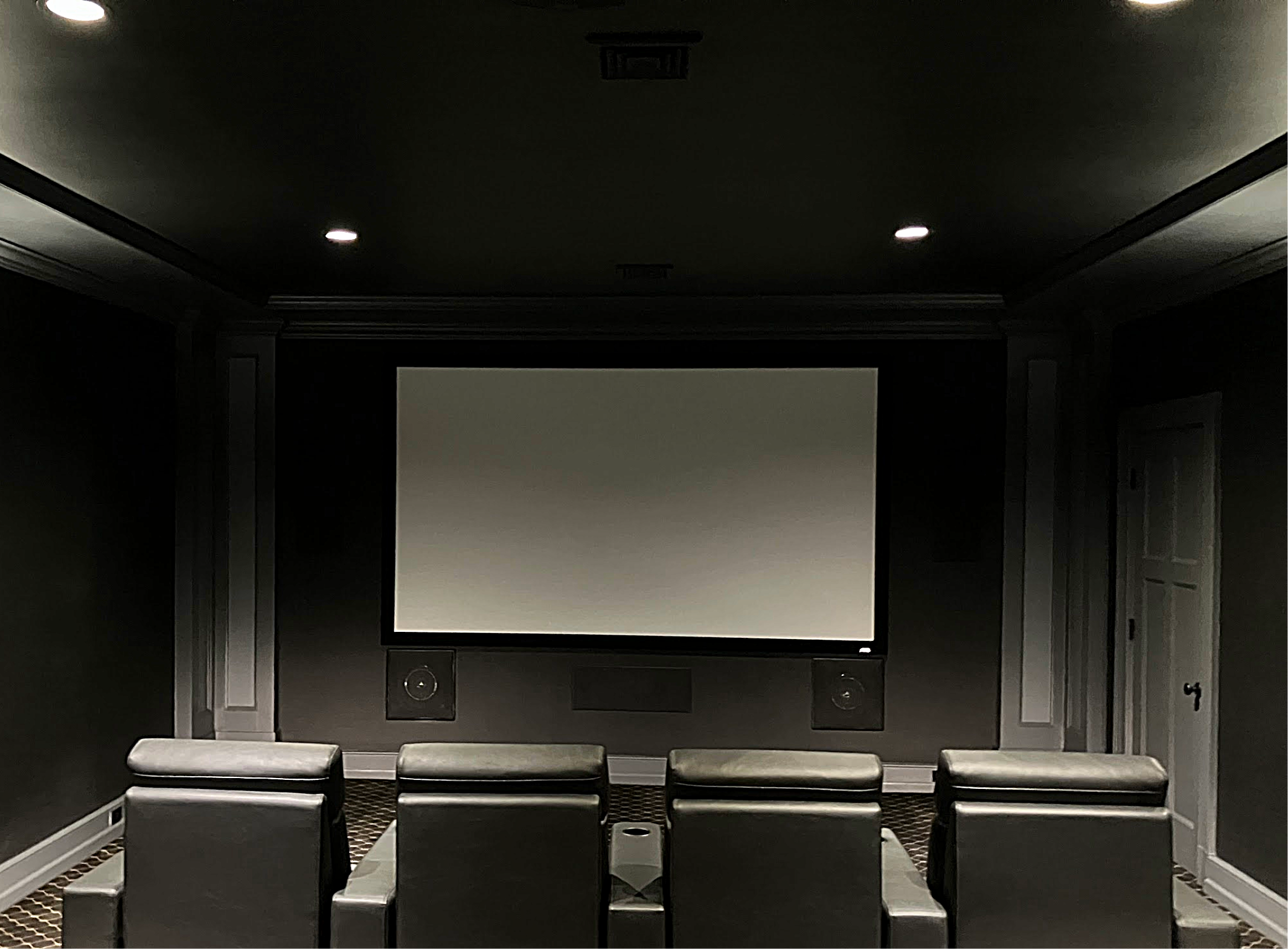
The best home theaters are not built around a single component. They are designed around the way that elements like screens, audio systems, lighting, seating arrangements, and interior design interact with each other to produce an enjoyable viewing environment.
When they are designed well, they create an engaging experience right from the start. They do more than just look great; they feel good, too.
Getting Started With Your Home Theater Design
Thinking of building a home theater in Connecticut? Then consider taking an approach that aligns with the needs of your property and household. This will be far more effective than trying to adapt an equipment setup after the fact.
We can assist you in crafting a home theater that is elegant, immersive, and functional. Regardless of whether you have an existing basement, media room, or new construction project, reach out today, we can guide you toward a design that works.